
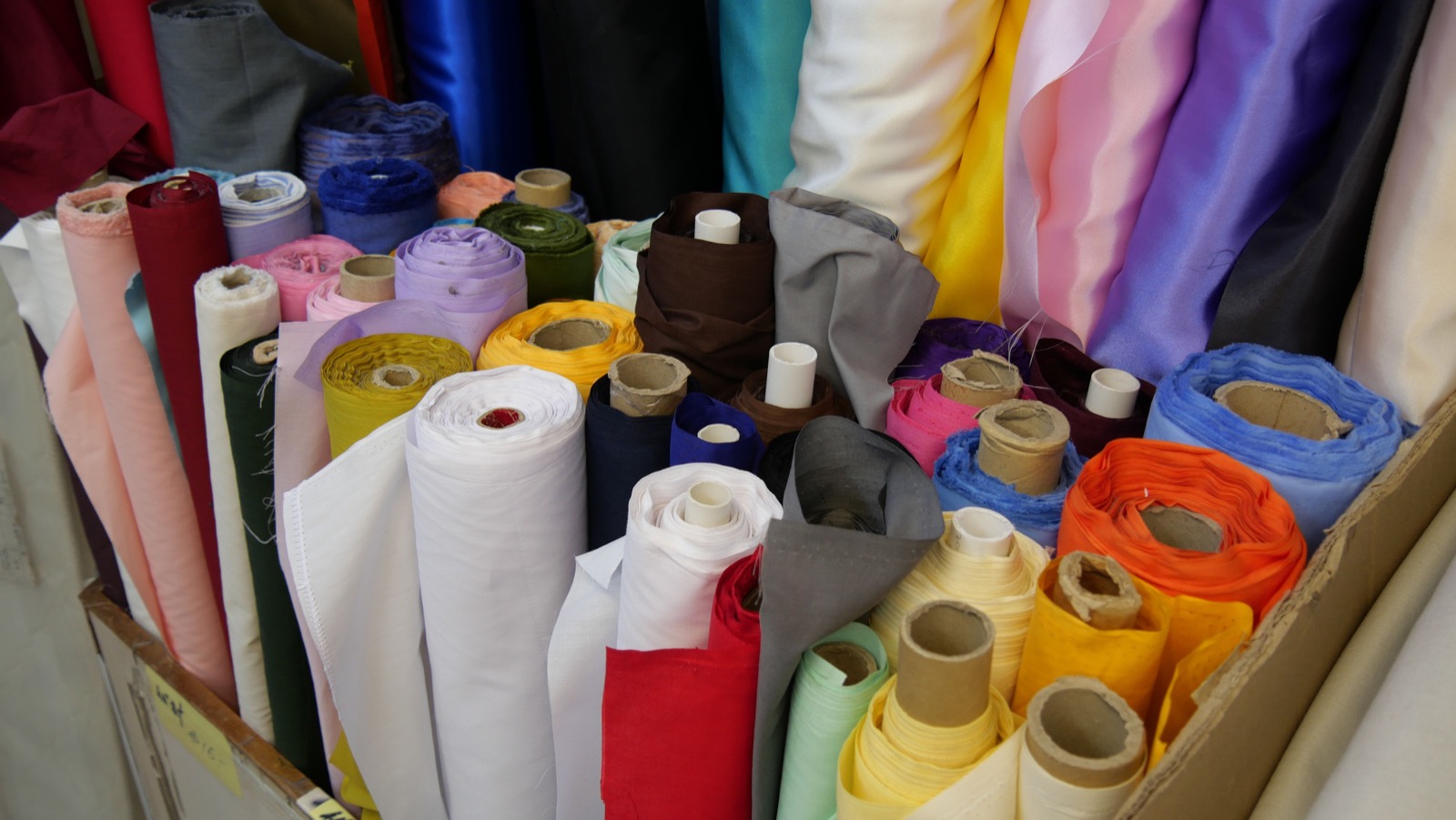
Responsible material choices for apparel manufacturing.
Meirius Group helps buyers evaluate fabric, trims and certified inputs with practical attention to product performance, compliance expectations, cost targets and production readiness.
Better materials start with clearer production requirements.
Material selection affects fit, hand feel, durability, costing, wash performance, lead time and buyer compliance. We review the material direction early so product development and bulk production can move with fewer surprises.
End use, target hand feel, construction, performance and price expectations are reviewed before material selection narrows.
Availability, color direction, testing needs, certification documents and lead time are checked before approvals move forward.
Fabric behavior, trim compatibility, cutting, sewing and finishing requirements are considered before bulk production scales.
How we approach responsible inputs.
Each material decision is reviewed through the same practical lens: product purpose, certification needs, performance, documentation and factory readiness.
Certified inputs
Programs are reviewed for cotton, recycled, organic and preferred-material requirements based on buyer direction and certification expectations.
Fabric and trim suitability
Materials are checked for construction, performance, hand feel, shrinkage, color, finishing and production practicality.
Documentation readiness
Material claims, certificates, test reports and supplier documents are organized early to support approval and audit needs.
Production alignment
Availability, cutting behavior, sewing requirements and bulk-production timing are reviewed before programs scale.
Fabric choices that support responsible apparel programs.
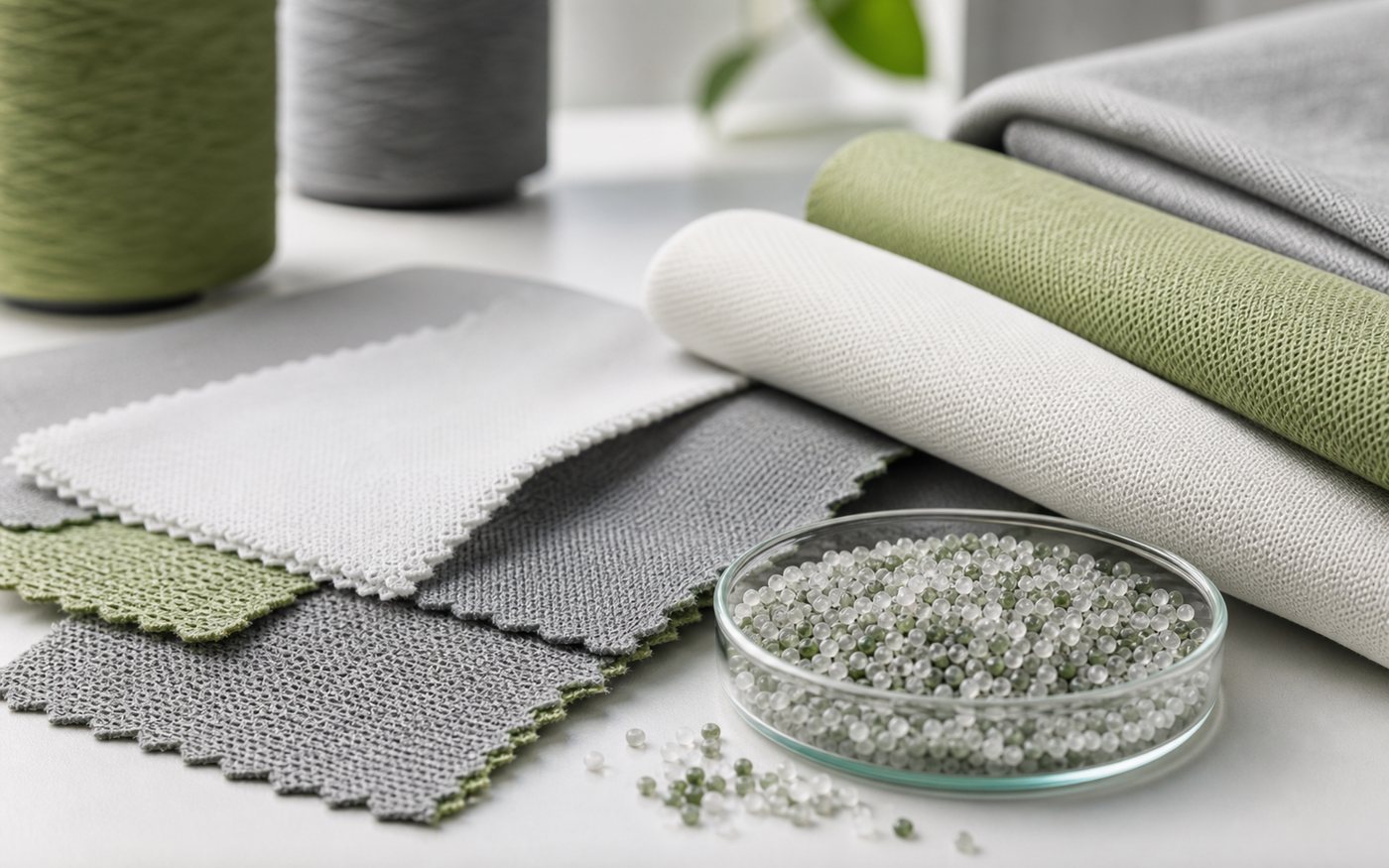
Recycled polyester and recycled nylon
Recycled polyester and recycled nylon are practical options for performance apparel, outerwear, linings, activewear and accessories where durability, strength and easy care matter. These materials can help reduce reliance on virgin synthetic inputs while keeping the functional properties buyers expect, such as abrasion resistance, quick drying, stretch compatibility and stable color performance.
For manufacturing programs, we review recycled content requirements, yarn availability, fabric construction, testing needs and documentation expectations early. This helps buyers align product claims with actual production readiness and certification requirements.
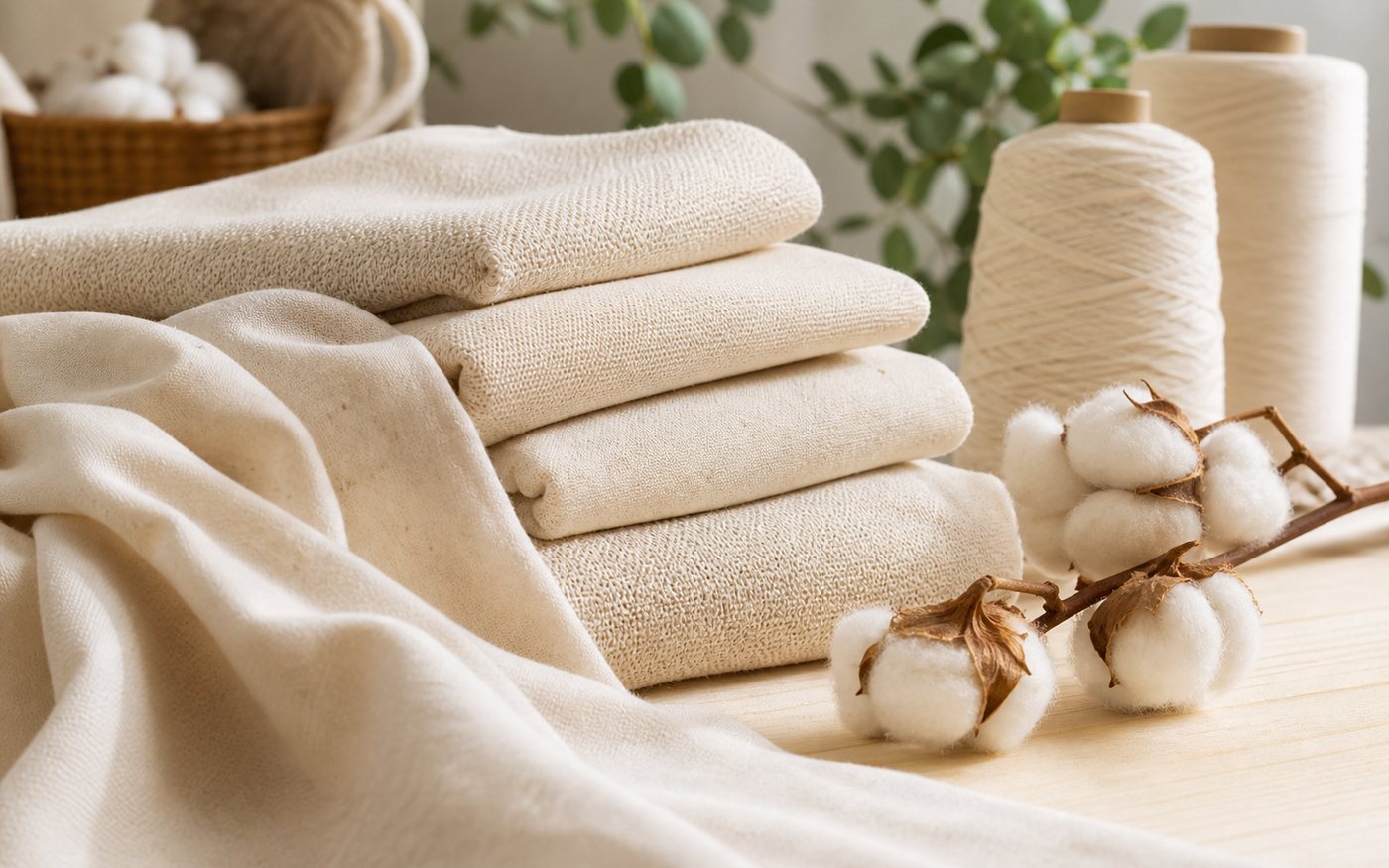
Organic cotton
Organic cotton is widely used for T-shirts, fleece, jersey, kidswear, casual woven shirts, sleepwear and soft everyday apparel. It gives buyers a natural fiber option with familiar comfort, breathability and hand feel while supporting programs that require certified cotton inputs.
During development, we consider yarn count, fabric weight, shrinkage, dyeing behavior, hand feel, wash performance and certificate availability. This helps organic cotton styles move from sampling to bulk production with clearer quality and documentation control.
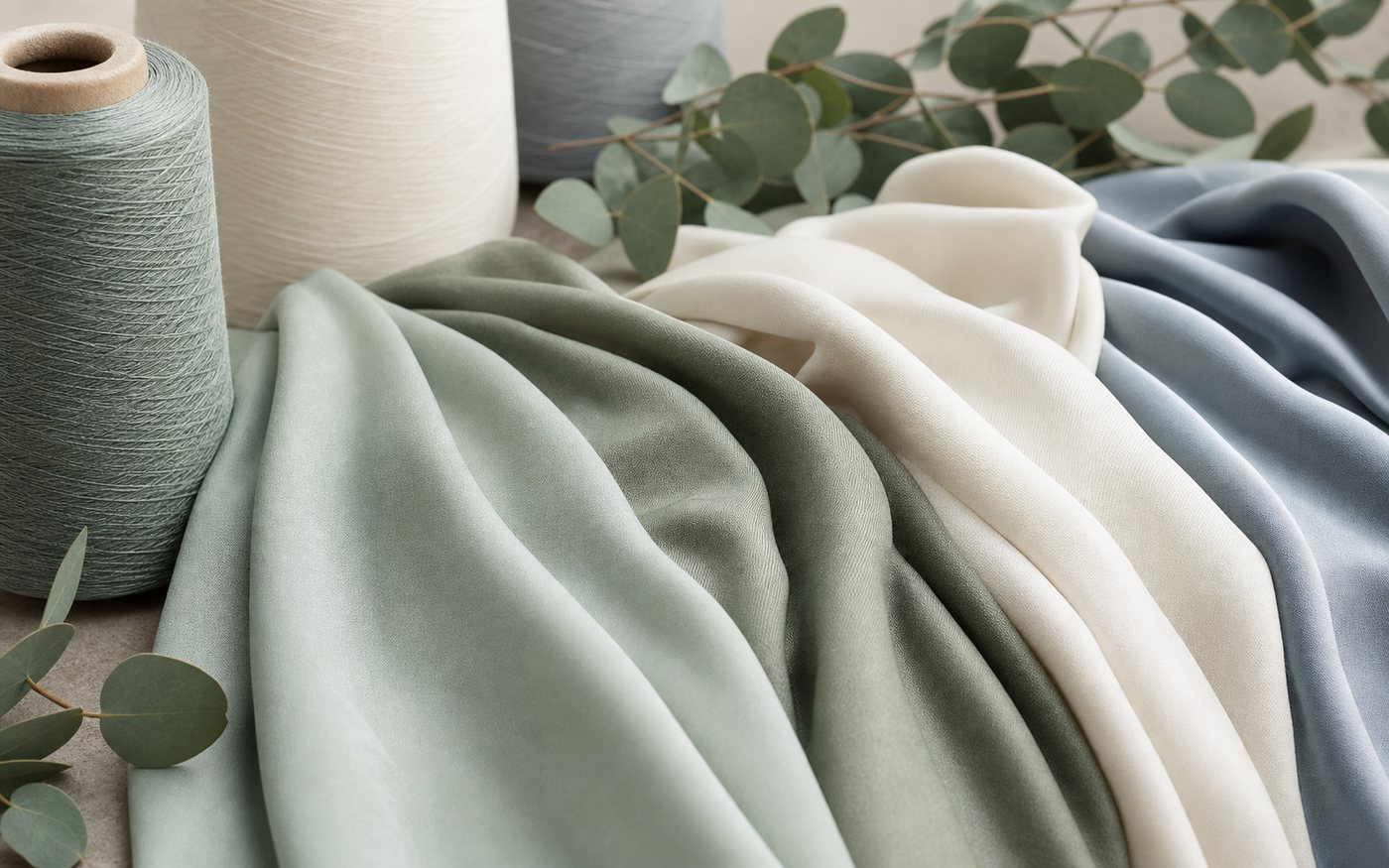
Tencel and Modal
Tencel and Modal are valued for soft touch, smooth drape and comfort against the skin. They work well for premium knits, dresses, blouses, loungewear, underwear, sleepwear and blended fabrics where buyers want a refined feel with good moisture management.
These fibers need careful attention to fabric construction, garment washing, seam stability and shrinkage control. We review the end use first so the final fabric can meet the buyer's expectations for softness, movement, recovery and long-term wear.
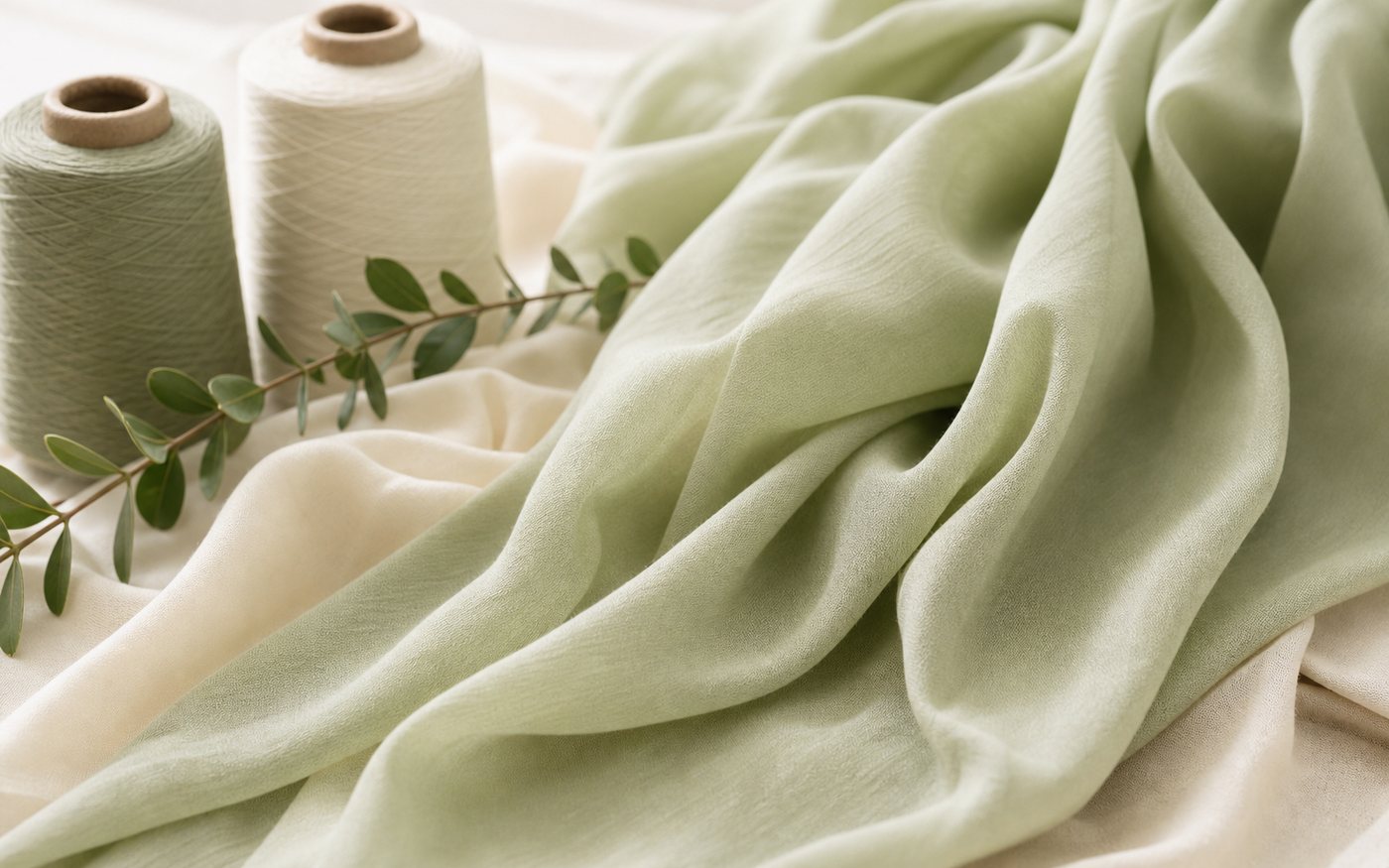
Ecovero
Ecovero is often selected for viscose-like softness and fluid drape in dresses, tops, blouses, skirts and lightweight woven or knit programs. It is useful where the product needs a smooth surface, elegant fall and comfortable wear for fashion-led collections.
For Ecovero programs, we look at fabric opacity, print performance, dimensional stability, garment construction and care requirements. Early review of testing and documentation helps reduce risk before the style moves into larger production.
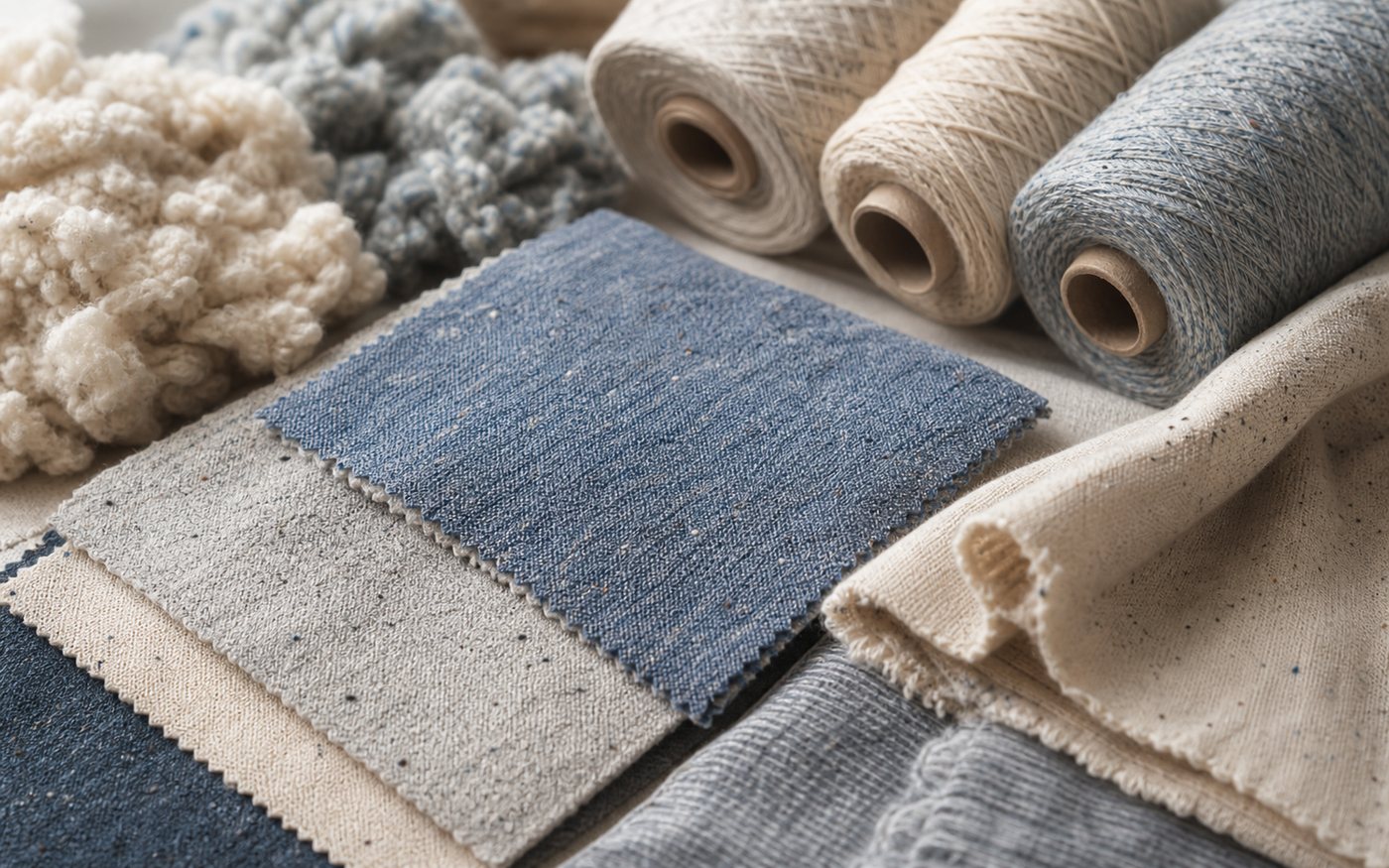
Recycled cotton
Recycled cotton can be used in casualwear, fleece, jersey, denim-inspired fabrics, bags, trims and blended constructions. It gives buyers a route to include recovered cotton fiber while maintaining a natural look and familiar cotton comfort.
Because recycled cotton can vary by fiber length, color and strength, we review blend ratios, yarn quality, fabric stability and end-use requirements carefully. The goal is to balance responsible material direction with the performance needed for repeatable bulk quality.
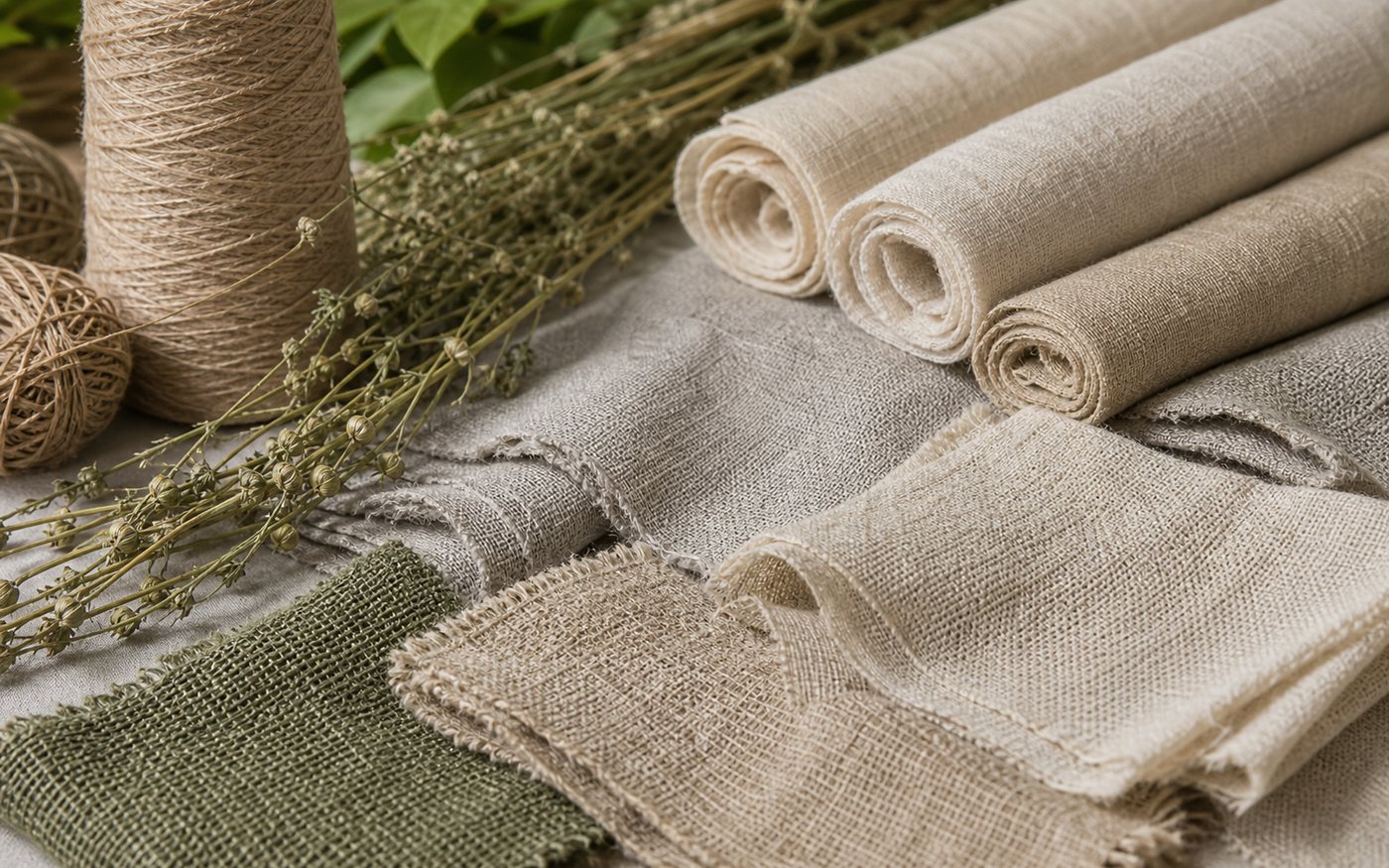
Linen, hemp and ramie
Linen, hemp and ramie bring natural texture, breathability and a more structured hand feel to apparel. They are strong options for shirts, dresses, trousers, resortwear, summer collections, casual tailoring and lifestyle products where visible texture is part of the design.
These fibers require attention to slub character, creasing, shrinkage, dyeing, garment finishing and sewing behavior. We help buyers review the right blend, weight and finish so the material supports the intended look while staying practical for production.
Material responsibility is most effective when it is planned into the product from the beginning, from fiber and fabric direction to testing, documentation and bulk production control.